Storage Solutions for Small Homes

Storage Solutions for Small Homes

Do you have a tiny house and don’t know how to make it functional? Creativity is the answer to many of life’s problems, and when it comes to smaller homes, it is absolutely key. When space is limited, it’s essential to be inventive and resourceful about what you do have by making the most of your square footage. Follow these tips and tricks to organize your space and make the most of it:

Hidden storage spaces

If you want your place to look clean (or even minimalist), you can use hidden storage that keeps things out of sight. Furniture tricks, like a sofa or bed with storage underneath, can stylishly disguise items you’d rather not display. These spaces are usually great to store blankets, pillows, sheets, and all your bedroom essentials.

Double duty furniture

Pieces that can work in a variety of ways are a wonderful fit for smaller houses. Home offices, for example, can be a bit tricky to assemble out of limited square footage. However, if you strategically place a bookshelf with desk space and a small stool, you can have a little office without taking up too much space.

Maximize the area above the cabinets

Put the dead space between the ceiling and cabinet top to good use! Buy some nice boxes and baskets and fill them with all sorts of items. But remember: don’t put too much stuff in there, as it can very easily veer into cluttered territory.

Use plenty of hooks

Hooks and hangers are the backbones of an organized tiny home. Super-strong magnetic hooks make a great solution for the kitchen, for example, as they don’t require tools or drilling holes in your walls. You can also grab space on the back of a door and place more hooks and hangers for coats, hats, umbrellas, and other small accessories.

Storage Solutions for Small Spaces

Open up storage

Cabinet doors take up square feet that may not be available in small spaces. If you get the opportunity to choose your furniture, opt for narrow open shelves to gain extra surfaces to store frequently used items, such as plates. To keep the shelves looking neat, be strategic about what you store and try to leave plenty of open space between stacks of items.

Vertical shoe storage

It might not be the most attractive solution, but over-the-door shoe racks get the job done and use dead space in an effective way. You don’t have to put one of these on every door – your closet doors are probably enough!

Key pieces of furniture to arrange the spaces

In small houses, often the living room is also the kitchen, dining room, or even bedroom. If you want to organize your spaces strategically, you can select block furniture and handy storage to divide them. For example, a freestanding island can be a great option to divide a kitchen and dining area. Placing units behind a sofa is another genius way to maximize your storage space.

If you have a small house and don’t know how to maximize its potential, we’re here to help! At ClutterBGone, we provide many levels of organizing services depending on your needs, lifestyle, and budget ranging from coaching to hands-on organizing and maintenance plans to help you achieve a clean, organized, and peaceful environment. Get in touch with our team of experts, and we will be delighted to offer you a free consultation!

Stacked Linens

Organize Your Linen Closet With These Tips!

Who wouldn’t love to have a linen closet worthy of a home design magazine? Everyone! But let’s be honest, your linen closet is probably overflowing with years – or maybe even with decades worth of accumulated bedding, sheets, tablecloths, and towels.

Say goodbye to your teetering stacks of towels and piles of sheets. We will show you how to get your linen closet magazine-worthy with the following tips.

Take Everything Out

Most of the time, things like sheets and towels get shoved in a closet to be dealt with at a later date. So the best place to start when organizing a linen closet is to remove everything and start purging. The process is quite simple: get rid of the linens that haven’t been used or touched in years, but make sure you keep seasonal linen staples.

Sort Everything By Type

Once you’ve decided what to keep and toss, it’s time to sort the items into categories. There are many ways to do so, but we recommend storing linens by type and room. For example, put all the same size sheets together, and divide them by bedroom. Like matching your socks after a load of laundry, make as many towels and sheet sets as you can.

 Invest In Baskets And Bins

Use baskets, bins, and bags to store your linen and any related items. These recipients are a great choice for organizing your linen and making the closet look clean and clutter-free. Moreover, these recipients come in all sizes and can fit neatly on any shelf. If you want a low-cost option, you can also install adjustable shelf dividers to keep your sheets, towels, and other linens separate.

Organized Linen Closet

Find The Right Method To Fold Your Linen

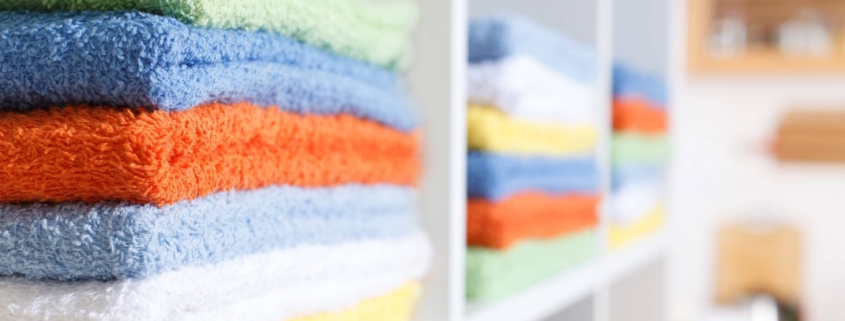
Choosing how to fold and store linen can be tricky, and it really depends on how much room you have. Our advice? When it comes to towels, generally the best thing is to use the rolling method. As for sheets, the best way to store them is inside the matching pillowcase. For larger, bulkier bedding or thick sheets, you can try a vacuum-sealed, airtight storage bag to shrink them.

Donate The Things You Don’t Want

Rather than finding a spot for the hideous towel set your aunt gifted you ten years ago, donate it instead. And this also applies to towels and any sort of linen you don’t use anymore. Give it a good airing and wash if it needs a bit of a refresh, and find it a new home.

Having an organized linen closet is wonderful for many reasons – for starters, it helps relieve stress because everyone knows where to find what they need, and makes your home feel more organized, clean, and harmonious.

But if you reckon you need some extra help dealing with your clutter, you can always hire a professional service to assist you. At Clutter Be Gone, we offer you a free telephone consultation so that you can tell us all about your goals for a clean and comfortable environment. Get in touch with us and learn more about our services!

Organize Your Deep Freezer

5 Quick Tips to Help You Organize Your Deep Freezer

Summer is finally here, with plenty of colorful berries, tomatoes, summer squashes, peas, peppers, and rhubarbs to liven up our meals. But if you know you’ll probably struggle to eat all of summer’s bounty, there’s an easy way to keep it for months to come: freeze it.

But before you engage in this labor, you need to make sure your freezer is properly clean and organized.

Organizing a deep freezer is not always easy, but if you neglect this task, you’ll soon begin to have to dig down in the abyss for your frozen berries, which can get very frustrating.

In this article, we’ve collected a series of fundamental tips to help you make the most of your freezer and keep it properly organized for the whole family. Take note:

Everything out!

When was the last time you took everything out of your freezer? Probably a long time ago, right? So this is the moment to do so. Take out all the items and open up every container to do a thorough inspection. If anything is freezer-burnt, spoiled, or just plain old, throw it away or compost it. Then, you should also clean it (we recommend using a mixture of warm water with baking soda or vinegar) and dry the interior with a clean dish cloth.

Organize your food into categories

Now that everything is out on the counter, here’s the first golden rule: always group your frozen food in categories. This way, it will make it easier for you to keep track of what you have and easily access the ingredients/meal you need on each occasion. You can, for example, use categories such as ground meats, frozen vegetables and fruit, prepped freezer meals, or homemade soups.

Frozen Fruit and Vegetables

Separate the items with containers

If you don’t use any type of storage container when organizing your deep freezer, you’ll quickly have a jumbled mess. To makes things more manageable, use a series of easy-to-move bags and containers to separate the food. Needless to say, you should avoid plastic containers as plastic is prone to cracking under freezing temperatures.

Label everything

So that everyone can easily access what they need, you should also label the containers and bags with tags. You can use freezer-safe sticky labels or a simple Sharpie marker, which works well on all kinds of packaging, including glass.

Keep track of your stash

And lastly, always keep track of your stash. You can do it with a whiteboard attached to the wall by the freezer, with an app on your phone, or simply by printing an inventory list template. Make sure that you take off the list anything you consume and that you add in it all the frozen food you buy and the items you freeze at home.

Whether you’re stocking up on seasonal fruits and vegetables, cooking in big batches, or making your own convenience foods to eat at busier times, one thing’s for sure: keeping your freezer clean and organized is key. If you need help with it don’t hesitate to get in touch with us. We’re here to help!

Organizing For Summer Vacation

Organize Your Summer Vacation With These 5 Tips

Ah, the long-awaited summer vacation!

Whether you’re planning a major trip to another country, heading to the beach, or going on a family road trip, an organized approach to travel results in less stress and less wasted time. After all, you wouldn’t want to go and realize in the middle of the trip that you forgot to bring essentials! For a relaxed and fun-filled trip, you need to plan and organize your tasks in advance. In this article, we will share a few unmissable tips that will make the preparations run smoothly.

Research Your Destination

If you’re traveling to a place you’ve never been before, this is a mandatory step. Ask your friends and family for suggestions. Purchase a travel book and visit local websites to check out locations and snag great deals on travel, places to stay, dining, activities, and more. A few hours of planning are worth the effort if everything runs smoothly!

Set A Realistic Budget

Keeping your finances organized is also essential, and that’s why we recommend that you set a vacation budget and do your best to stick to it. This includes any money you will spend while you are on your trip and traveling to and from your trip. Finally, we also recommend you get informed on the refund policies of your airline, hotel, booking site, travel agent, and so on.

Prepare Your Itinerary

The next thing you’ll need to organize is the trip itineraries, which include transportation, lodging, and activities. To do so, you should start by defining the sites you want to visit and the must-do activities you want to try, and then book the transportation and accommodation accordingly. Many fantastic apps can help you with this step, such as Wanderlog or TripHobo.

Organize All Documents

Depending on where you are traveling and how you are traveling, you will need different documents and paperwork. From plane tickets to passports, you will need to prepare these beforehand. Don’t forget to check your passport (if it is about to expire, you need to renew it as soon as possible) and health insurance cards, as well as to purchase any tickets and passes you might need.

Packing For Summer Vacation

Start Packing – and be practical about it!

Whether you are going on a three-day getaway or a month-long vacation, the more things you pack, the more the chances of problems popping up. Keep it simple by making a checklist with the indispensable items for your trip, from bathing suits to medicine. Pick clothes that are easy to wash and combine, and avoid taking things you don’t usually use. And remember: the best way to pack is to roll up your clothes. This technique will avoid wrinkling, free up more space, and keep the bag organized.

Lastly, don’t forget that the best time to focus on summer organization is before everything gets too busy. Start planning your vacations at the very start of the summer – or even before that – and set realistic goals. Summer vacation can be pretty stressful, especially with kids, but with these tips, we’re sure everything will be much more relaxed and enjoyable!

Organized Kitchen Drawer

Top Organizing Tips From the Professionals

When it’s time to declutter, it can be hard to know where to start and what to keep. Fortunately, professional organizers have developed strategies that can make the task less daunting. Read the following sections to learn organizing tips from the professionals.


Start Now and Start Small

It’s easy to feel overwhelmed when you’re thinking about organizing your entire home. When the task seems like more than you can handle, you’re more likely to put it off until later. A good strategy is to start small and start right away.


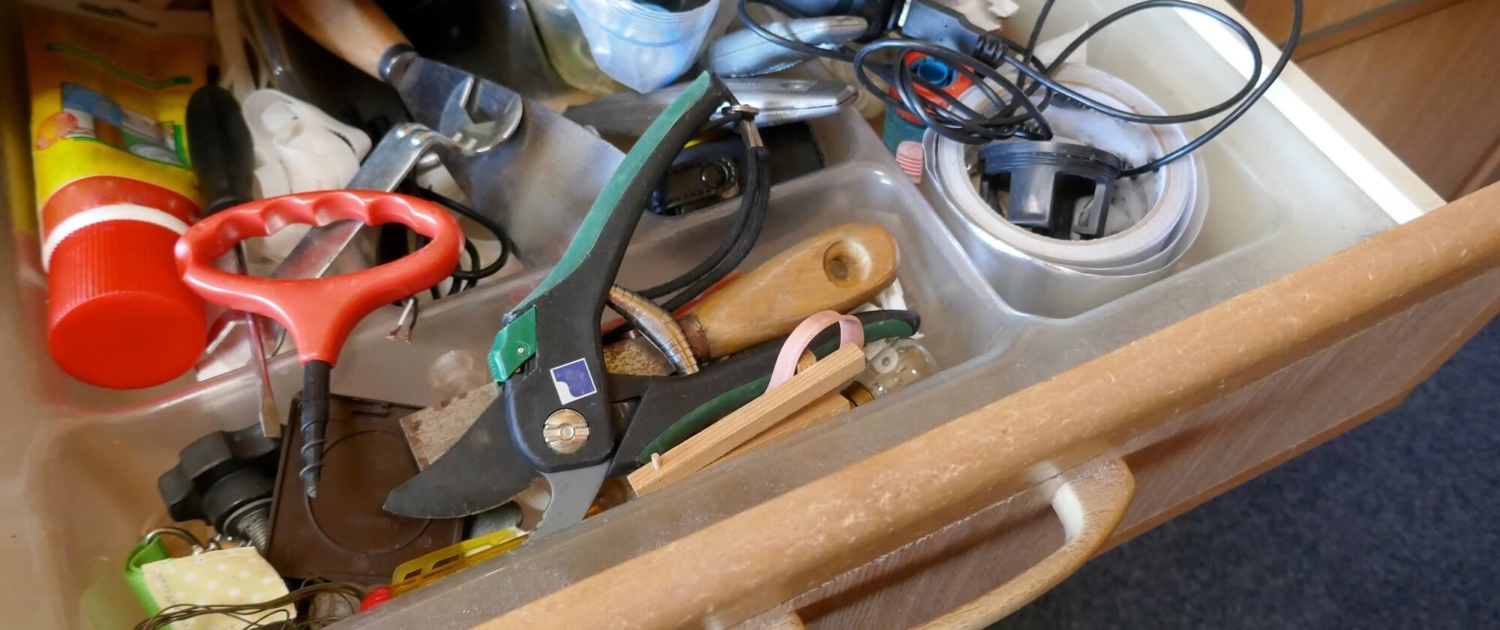
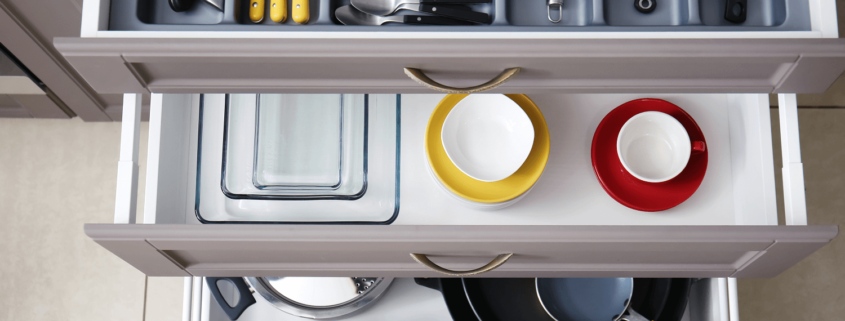
Instead of tackling the whole kitchen, for example, try this organizing tip – tackle one drawer at a time. Take everything out of that drawer and donate or give away items that you have not used in the last year. You’ll enjoy a sense of accomplishment and your kitchen will be organized and easier to use before you know it.


Declutter First

When you’re feeling inspired and ready to declutter, it’s tempting to shop for cute boxes, stylish baskets and a trendy label maker. However, professional organizers strongly recommend decluttering before you do anything else. Otherwise, you may just end up storing your clutter in cute containers. The best strategy is to finish sorting and purging first, so that you’ll know how much “stuff” you have and how many containers you really need.


Organize Paperwork

There are many tools available for reducing those stacks and boxes of paperwork. For example, you can scan receipts and other important documents and store them digitally on your computer or the cloud. Is unwanted mail piling up every day? A great way to cut down is to unsubscribe from print catalogs and opt for online versions.


You may want to keep some paper items, such as bank statements or tax records. Keep records from the past six years for these items and shred the rest.

storage container

Get Creative With Containers

When you’ve finished decluttering, it’s time to get creative. There are many affordable storage options that will help you stay organized. One professional tip is to repurpose boxes and bins that you already have. You won’t have to spend money on new containers or bring home more items. It’s also an environmentally friendly alternative to buying more containers.


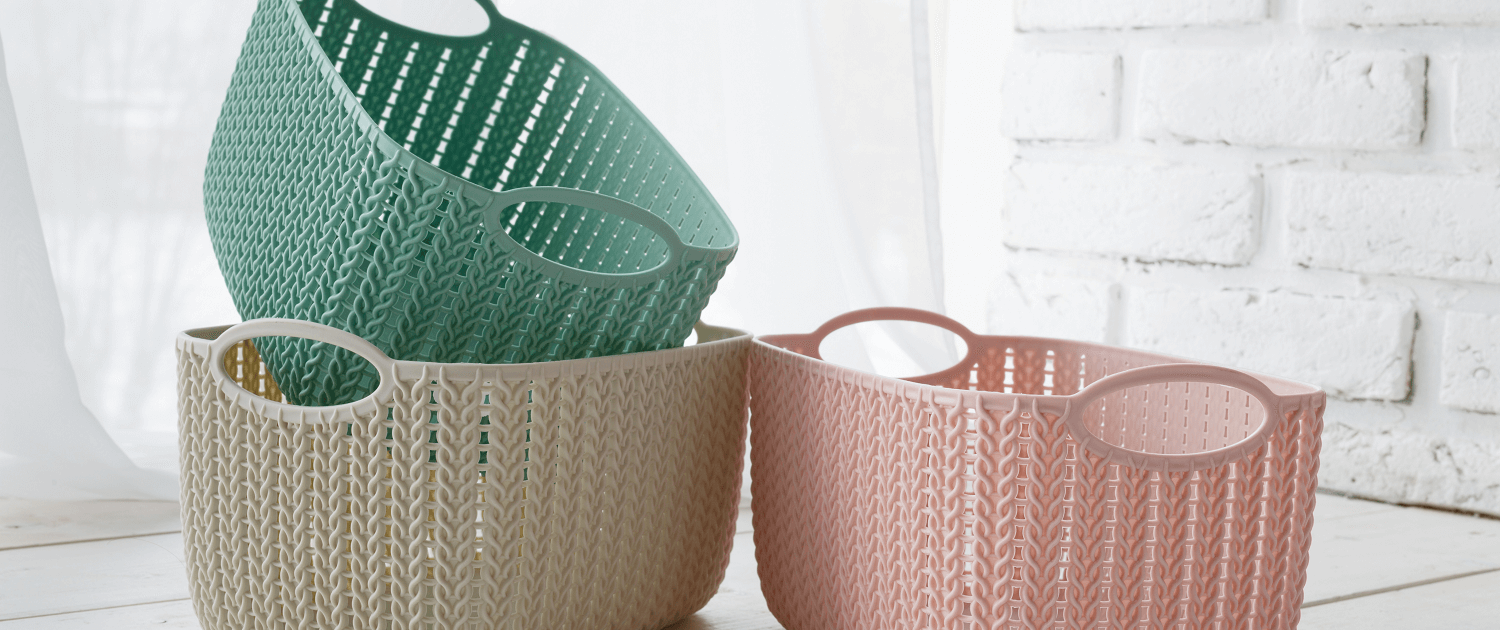
If you prefer to buy new storage containers, look for baskets. Available in a wide range of sizes, shapes and colors, they can be a stylish, creative storage option.


Deal With Digital Clutter

While you’re at it, remember to declutter your digital life, too! Is your inbox full of emails that you’ll never read or reference? Now is the time to click that “unsubscribe” link and delete all those unwanted emails. Create folders and file only the emails that you plan to reference.


Could your bookmarks use some organizing and decluttering? Delete bookmarks to pages you haven’t visited in the past year, and organize the remaining bookmarks into folders.


Get Support

Does your decluttering project still seem like more than you can handle? The experts at ClutterBGone are here to support you with professional organizing experience. If you’d like a free consultation, get in touch today!

organizing for summer

Organize Your Home Now and Enjoy Your Summer

Rather than continually thinking how great it would be to finally clear away the clutter at home, make now the time when you decide to do so. Otherwise, you risk spending excess time stressing about disorganization rather than enjoying the summer in a home you love.

Set Your Priorities

While you likely have more than one project you want to do around the house, it’s best to pick one and see it through rather than risking feeling overwhelmed by doing multiple things. For example, if you want to organize the kitchen cupboards better and declutter your bedroom closet, pick the one you think is more pressing and see it through. After that, move onto the second project.

Do a Bit, and Do So Regularly

Rather than spending a beautiful summer day indoors, spend up to half an hour on the organizing project, and then enjoy the rest of your day. Plan to do this several times a week so that you get a bit done each time, slowly progressing toward your goal.

Taking this approach will help prevent you from feeling resentful of the clutter for taking away your summer fun. Even 10 minutes de-cluttering part of a room is a great use of time and won’t take away your time with family and friends this summer.

Take Time to Rest

After finishing that first home organizational project, don’t feel like you must move immediately onto the next one. Instead, relax and take time to enjoy the added space you have after clearing away clutter. When you are ready, move onto the next thing to tidy up. After all, summer is the time of year when you want to have moments or even entire days without an agenda.

organizing for summer

Get the Kids Involved

Your children are likely not doing schoolwork right now, which means that they’re more active around the house and creating more messes than usual. If so, include them in your efforts to maintain a tidy house over the summer months.

Ask them to pick up their toys after they’re done playing with them, for example. Explain to them that it would help you if they clean their bedroom and keep it that way too; they’re more likely to do so when they realize that it will help you.

Get the Patio Setup

If you’re not planning to spend a lot of time indoors because of the great weather ahead, then clean the patio and get the outdoor furniture set up on it right away. Then you’ll be able to enjoy it for the rest of the season.

Assess if anything needs replacing or if the furniture needs painting. As well, if you have a BBQ, then give a deep clean so that the grill is ready for use.

Taking that First Step

Probably the toughest part of organizing the home for summer or any other time of the year is figuring out how to get to the goal, whether it is downsizing a room, figuring out a better filing system for the home office, tidying a closet, or something else.

Our professional organizers at ClutterBGone are happy to help you identify an objective and create a plan to meet it, as well as working with you to achieve the goal in a way that you find comfortable. Contact us today to learn more.

decluttering minus overwhelm

5 Decluttering Tips Minus the Overwhelm

If you have ever started to declutter your home or office, you might have quickly felt overwhelmed by the process. That feeling can be so strong that you procrastinate on the project, which only adds to the stress of it. As for what exactly is overwhelming you, it could be that you don’t feel you have the time to do so, that certain possessions bring up strong emotions or several other reasons.

To help you declutter a room, closet, or another physical space effectively without feeling overwhelmed, these five decluttering tips can be useful.

Decluttering Tip 1 Go Small

Start with a small area for your project. While you might like the idea of tackling the entire home interior in a day, that’s not a reasonable goal.

Instead, start with part of a room or even a shelf. Make that the goal for the day or even for the week. Why put exact pressure on yourself?

Decluttering Tip 2 Make as Clear Plan

Decide what you will declutter and when (day and time). Determine how long each day you will spend on this project if it extends more than a day.

Also, determine what you intend to do in the space and what you will do with the possessions you remove from there. By setting a plan, you are less likely to feel overcome with emotion that you lose motivation and stop midway.

Decluttering Tip 3 Deciding Where to Start

If you’re not sure where to declutter first in the home, begin with a spot that will likely have the most impact. It could be the entryway that people see as soon as you open the front door, for example, or the bedroom so that you can enjoy a calmer environment that is conducive to deep sleep.

When you use this approach, you are more likely to see a big difference right away. Having that positive result will uplift and encourage you to continue to tackle messes throughout the rest of the house.

decluttering tips

Decluttering Tip 4 Talk with Your Partner

If decluttering seems hard because your partner is not supportive of your decluttering efforts, then it is best to speak openly with them. It may be hurtful that you’re open to clearing out many of your possessions, yet they don’t want to part with any of theirs.

Recognize that just as you likely needed time to conclude that decluttering is in your best interests, your partner, too, will benefit from time. If they aren’t ready to part with something, respect that. Suggest other items you would appreciate them tossing and explain why.

Decluttering Tip 5 There’s No Need to Be Perfect

In fact, there’s no such thing as perfection. So, avoid overwhelming yourself by trying to create a room that looks like it would be pictured in a magazine.

Those photos feature staged interiors, which means they are not everyday living spaces. Be realistic about your family’s needs and recognize that you are making a positive difference by doing this project.

If You Still Feel Overwhelmed

While the tips above will help you feel less overwhelmed as you declutter the home, but you may still feel there are obstacles. Thankfully, you’re not alone. Our professional organizers provide experienced assistance in a comfortable, supportive way. Reach out today to learn more about the process.

love your home

How to Love Your Home Again During Covid-19

With so much time spent indoors during COVID-19, it’s easy to see why many people have fallen out of love with their homes. Being in the same environment day after day can make the place feel lackluster.

Thankfully, there are ways to refresh the homestead, which is a much more affordable option than moving to a new property. Here are some great suggestions to try in order to love your home again.

Move Furniture Around

If you aren’t satisfied with a room’s layout, then it’s time to do something productive about it. Moving around the furniture can make the living room, bedroom or another space more inviting, not to mention more functional.

Finding a great layout starts with deciding on a focal point for the room, such as a television or fireplace. Then face the couch toward it, with additional chairs at the  sides. Decide where to place tables so that drinks and the TV remote are easily accessible.

Add Plants

Indoor plants are a wonderful way to refresh a living space. If you have a corner that no furniture seems to fit into, then a plant or tree can fill the area nicely to love your homecomplete the room or hallway.

You might even place different types of greenery of varying heights into the corner, rather than just a single item, for a dynamic look. If you like the grouping idea, try adding smaller plants for a coffee table centerpiece too.

Create a Statement Wall

Make a major change in a room easily with a statement wall. Select a bright colour for the one wall that compliments the neutral shade on the other walls. If you want to take it a step further, use tape to create stripes or another pattern on the single wall.

If you’d rather not paint, then add temporary wallpaper instead. It’s a simple way to update the look of a bedroom without committing to it long-term.

Tidy Up

When your house is messy, it’s harder to love it because all you see is what needs tidying up. So, commit to spending time regularly organizing the rooms, and try to keep them tidy.

Seeing the progress will encourage you to keep the house clean, and you will likely find joy again in the same rooms that used to stress you out with the messes. As you’re plugging away at the process of straightening up, focus on the positive aspects of what you’re doing rather than seeing it as a chore.

Making a House into a Home

Given how much time you’re liking spending indoors right now, it’s important to create an atmosphere that is comfortable and uplifts your spirits, rather than being a source of stress. If you’re not sure where to start with organizing and decluttering, we are now available to assist in-home with services that meet public health guidelines.

We ask staff and clients to have a mask or face covering. Also, we regularly wash our hands, wear gloves (where needed), and limit the number of people within one space at a time.

We are pleased to be able to support you once again! Your health and safety are vital to us, and we are happy to answer any questions. Reach out today. We want you to love your home once again!

Organizing Your Garden Shed

Tips To Organizing Your Garden Shed for Summer

If you enjoy gardening, then you know that it’s a great way to calm the mind and enjoy the outdoors. But the stress can return after a peaceful weekend afternoon in the yard when you return the tools to a messy garden shed. To help you maintain your sense of calm, here are tips for organizing your garden shed for summer.

Get Shelving and Bins

If your shed lacks shelves, then it’s no wonder that the space is chaotic. Gardening involves a range of items, from planters to handheld tools, and don’t even get us started on soil mixtures. These things require a simple storage area within the shed, or they will quickly take over the interior.

One of the first organizing your garden shed steps, therefore, is investing in a sturdy open shelving unit. You may find that you need more than one, depending on if you store additional supplies there than only gardening-related ones.

Metal shelves are designed to hold heavy items and have an industrial look that suits a gardening shed. Plus, the shelves are usually adjustable so that you can tailor it to the height of the stored items.

Lastly, get metal or plastic bins for the shelves to help prevent clutter. Sort the items and put them into the baskets accordingly. For example, you might put seed packets in one, garden tools in another, and gloves in a third one.

Organizing Your Garden ShedUse Wall Hanging Hooks

Wall-mounted hooks are very useful. They can be used to create a tool rack so that you can easily grab long tools like hoes and shovels when you want to use them.

This storage solution uses wall space that would otherwise likely be empty. Add a larger hook to hang the garden hose on so that you’re not stepping on it or searching for where you put it the last time.

Create a Potting Bench

Find room for a potting bench within your garden shed so that you can transplant seedlings and do other gardening activities. It could be as simple as using an old table or find easy DIY tutorials online to build the work bench you’ve always dreamed of.

Hang a Corkboard

Keep a seasonal calendar hung from a corkboard on the wall of the garden shed. Within it, mark when you do certain garden and lawn chores, such as when the grass was mowed last and mulched beds.

Among the maintenance tasks for summer are fertilizing flowers and vegetables monthly and checking for insect damage or disease. The calendar can help you keep your garden at its best in summer. Keep the schedule up the rest of the year and continue to do tasks so that the exterior doesn’t get neglected.

Final Words on Garden Shed Organization

An organized garden shed can make your hobby more enjoyable. Now you will easily find items and know exactly when you are running low on twine or something else because you’ll see it’s running low. Enjoy the calmness too that comes with a place that is clean and tidy.

If you look around your shed and feel overwhelmed by the idea of starting to clear the clutter, reach out to our professional organizers for help. We are only a phone call away and are happy to provide suggestions for your storage dilemmas.


how to organize work and personal life

How to Organize Work and Personal Life during COVID-19

If you are working from home during COVID-19, you likely are trying to create a temporary work area and adapt to doing your job functions remotely. As if that’s not enough, add in homeschooling kids during massive school closures and a partner who also is at home more than usual. Let us provide some helpful tips on how to organize work and personal life during these pandemic times.

The Modern Home Environment

The work and personal spheres of your life are likely converging in ways that they never did before. For example, you might work late into the night because of family interruptions throughout the day or wonder when to make a business call without worry about background noise.

Amidst all this change, how do you maintain a separation between family and professional responsibilities? The key is getting organized.

Separate Your Workstation

Set up your work area in a part of the house that is far removed from the family, if possible. In a small home, try to have at least a door you can close off from the noisiest part of the house when you need silence to concentrate or to get on a work call.

Having quiet when you require it will help minimize family distractions so you can end your workday at a reasonable time and enjoy time with them afterward. Close the door to the office, and don’t open it until your next workday to help maintain that distinction.

Set the Boundaries

In addition to physically separating the work area, make it clear to the family that it’s to be treated as separate. Explain to them that you are not to be interrupted when you are in the room with the door closed unless it’s an emergency.

Emphasize that these boundaries are firm, not flexible. That way, your mind stays on the job during working hours.

how to organize work and personal life

Take the Same Approach to Technology

Also, consider separating the tech in your life according to whether it’s for work or personal use. For example, you might create a new email address for personal purposes so that you don’t have to sign in to the work one during off-hours.

Also, take the time to examine your phone notifications. If you are receiving a lot of app notifications from work colleagues during free time but aren’t required to respond to them immediately, then engage the “do not disturb” feature until the next workday.

These small changes can significantly reduce the temptation to check on work on your own time. Having this mental break from the home office can help recharge your batteries, so you’re more productive when back at the home office.

Organizing Personal and Professional Areas Right Now

During this temporary time, keeping work separate from the usually removed home life is a challenge for many people. The suggestions above can help you separate the two so that you’re more productive at work and can fully enjoy family time at the end of the day.

To find out more about how to organize your home office to be as efficient as possible, contact our professional organizers for a virtual appointment. Rather than coming into your home in person, we are happy to help you through video calls to create a more functional home for both work and personal life. Reach out today to speak with a friendly member of our team!